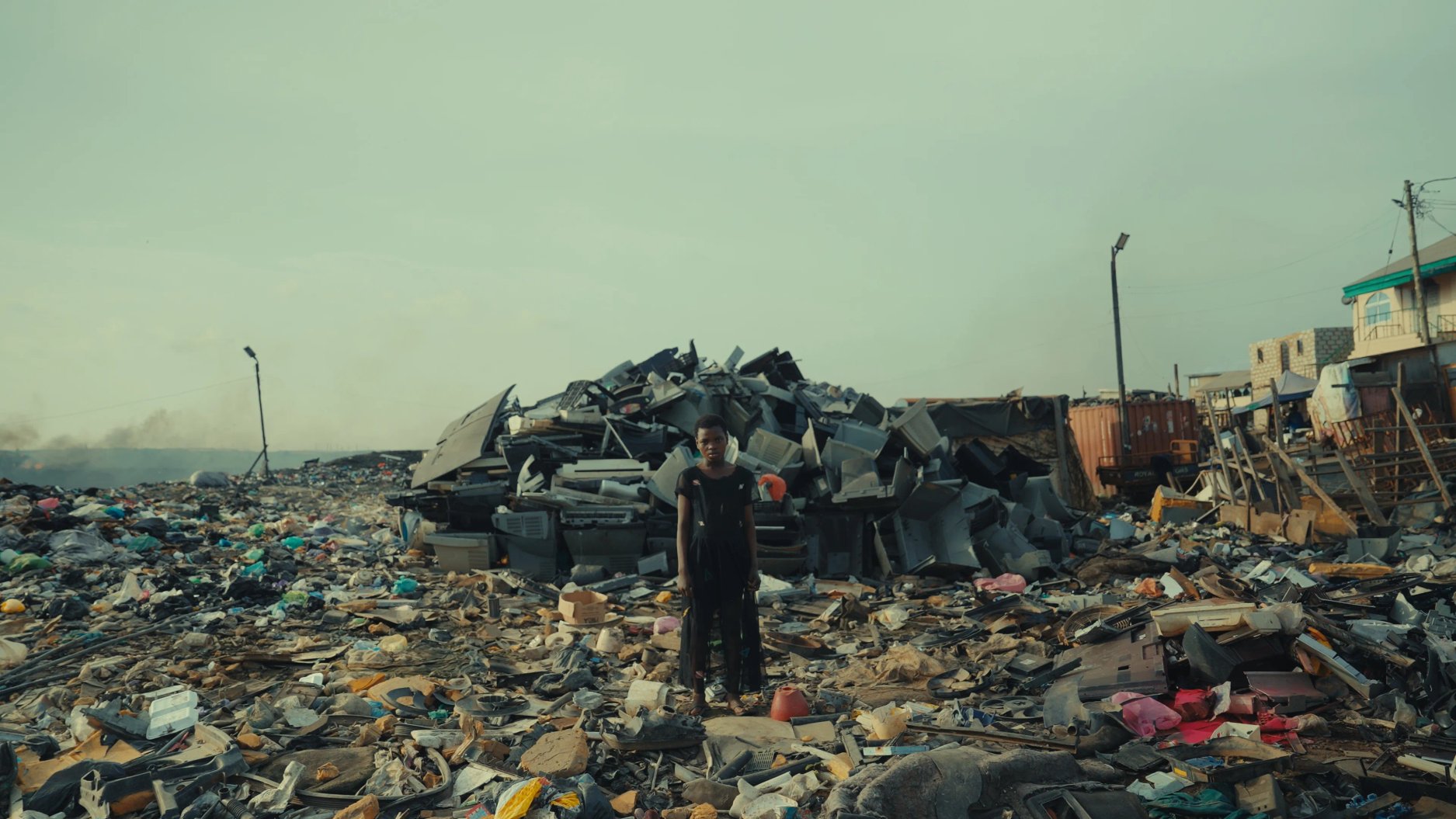
What happens to our phones when we replace them? Where do the computers, televisions, and household appliances we stop using actually end up?
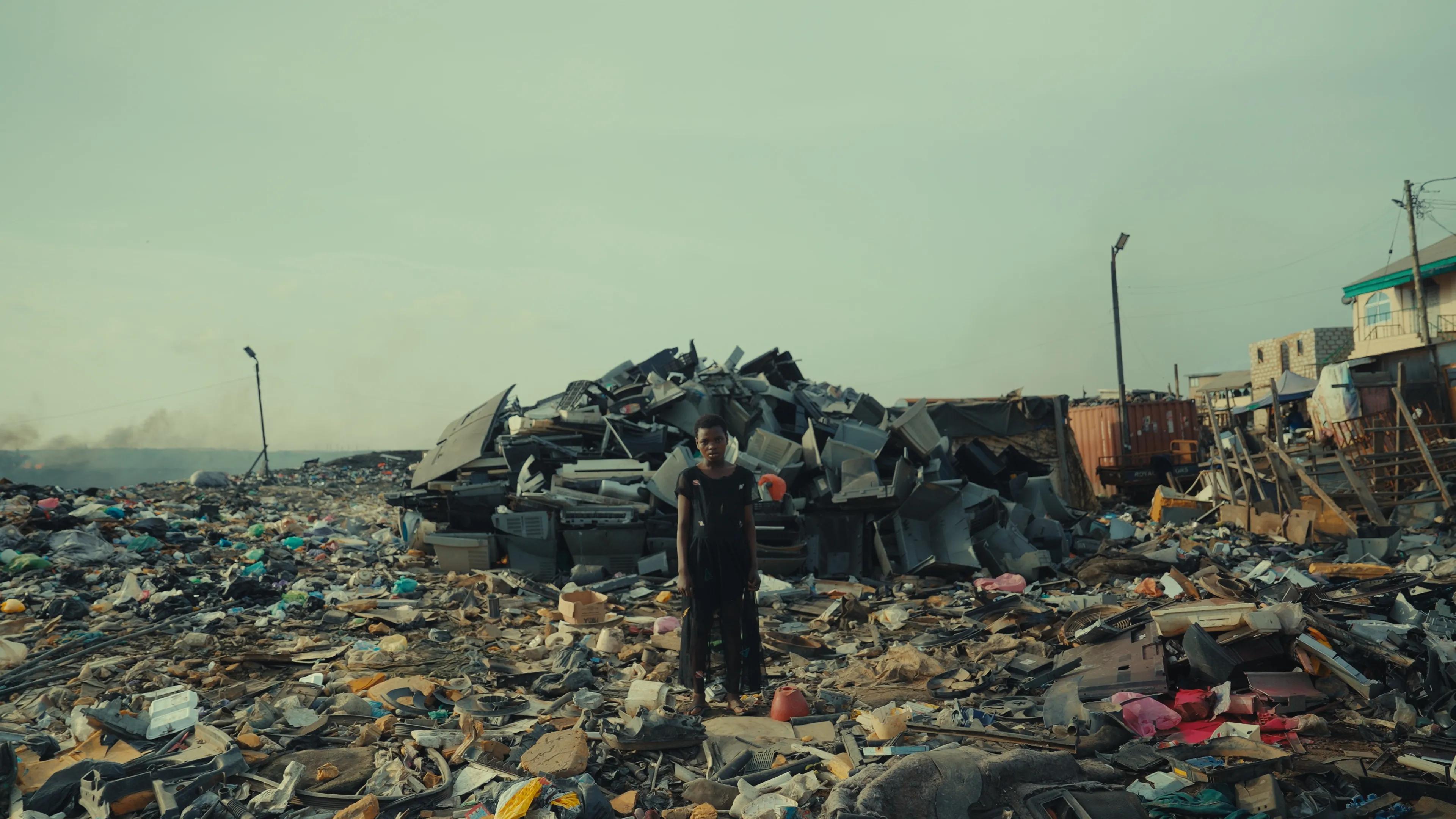
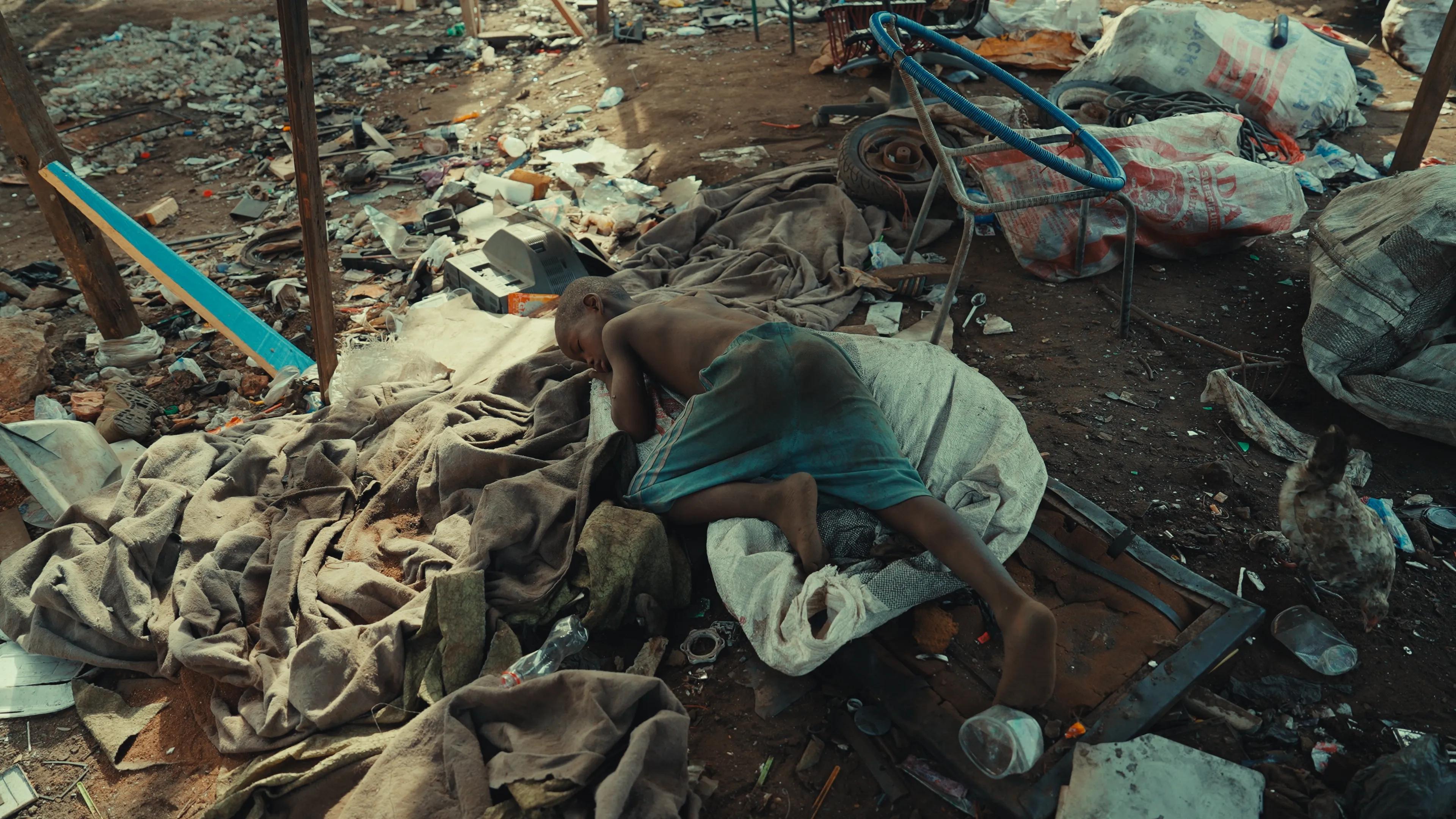
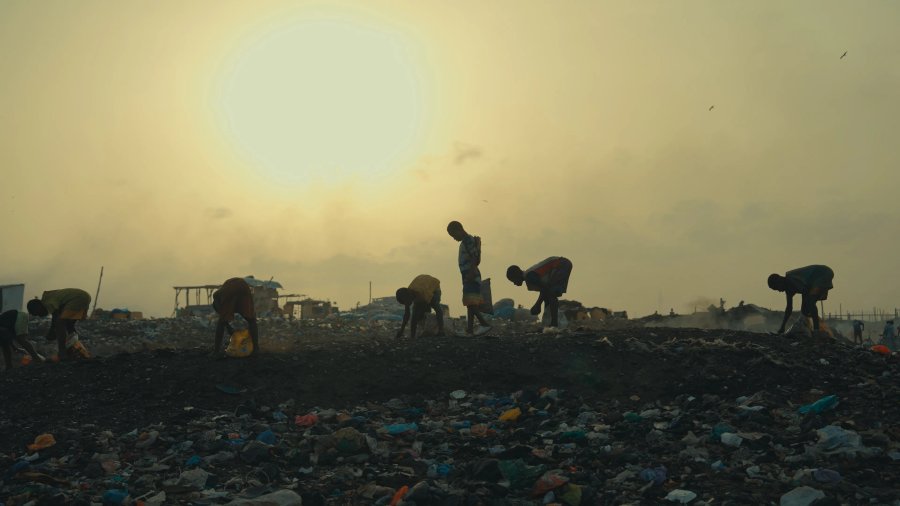
To answer these questions, we went to Agbogbloshie, in Ghana: the largest electronic waste dump in the world. A place that looks like something out of a dystopian film, yet is all too real.
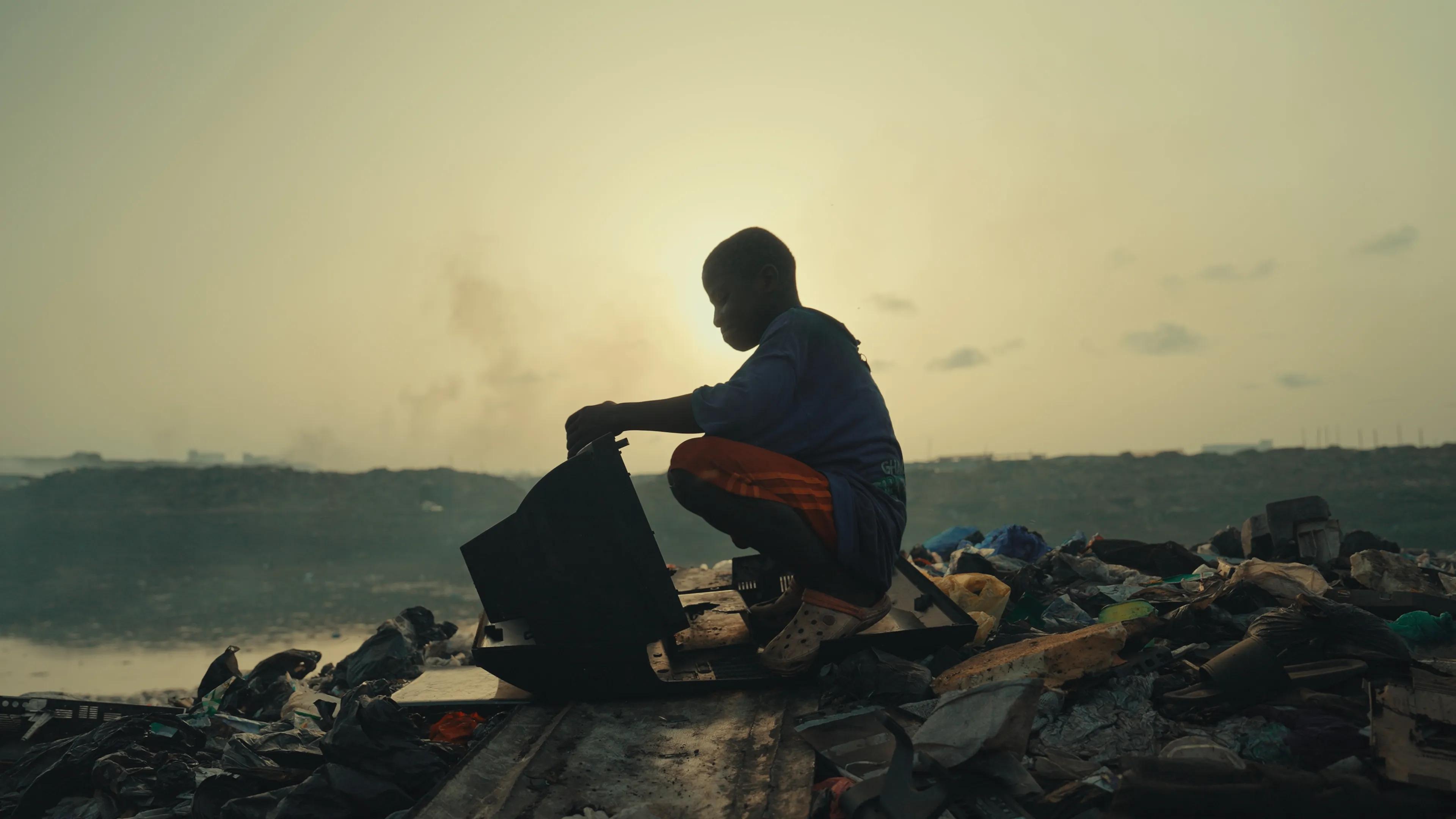
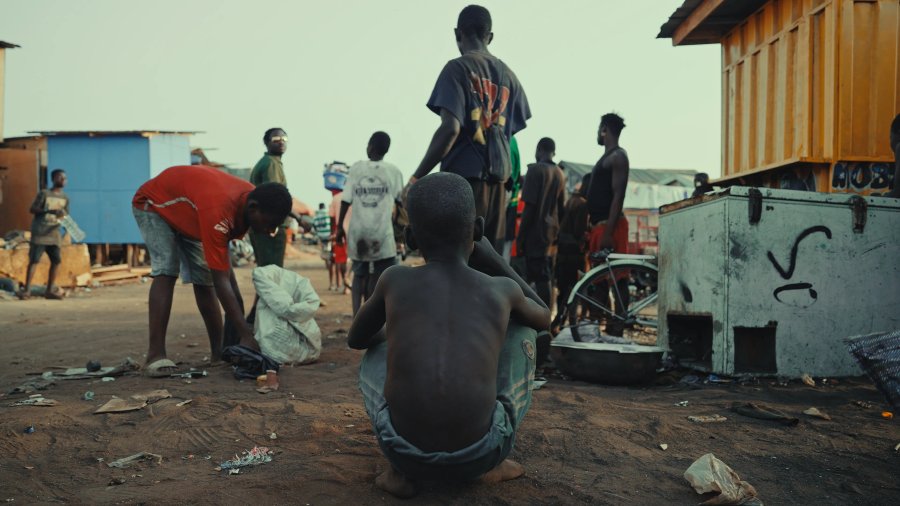
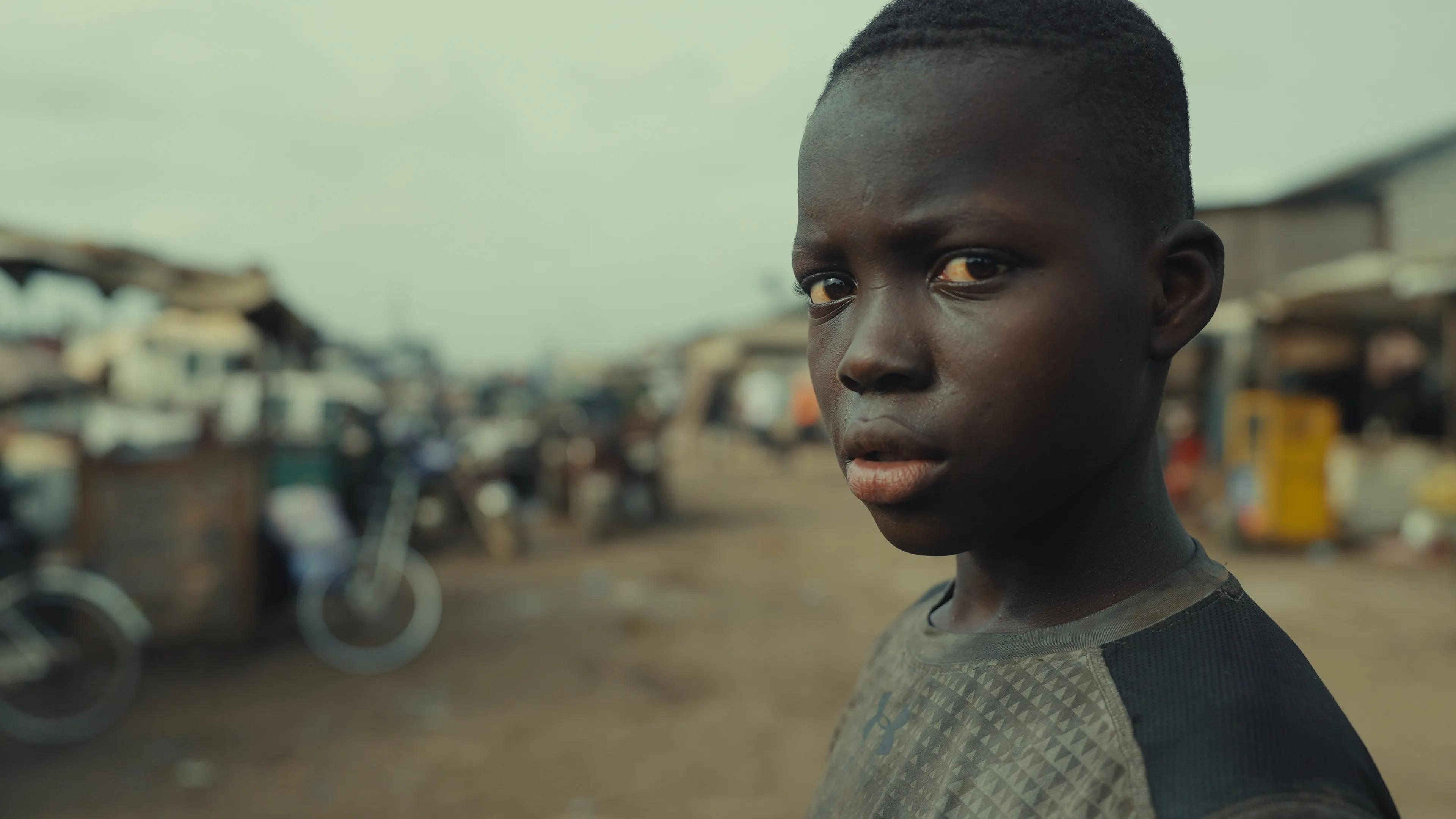
Here, every day, thousands of men, women, and children live — and survive — by dismantling electronic waste arriving from across the Western world. With no protection. No alternatives. Breathing toxic fumes, walking over burned plastic, searching for scraps of metal to resell for a few coins.
But this is not only a story about pollution. It is a story about injustice, blind consumption, and a global system that unloads its cost onto the shoulders of the most vulnerable.
.webp?w=900&q=85&fit=max&auto=format)
.webp?w=900&q=85&fit=max&auto=format)
.webp?w=900&q=85&fit=max&auto=format)
.webp?w=900&q=85&fit=max&auto=format)